Inclusion in Education
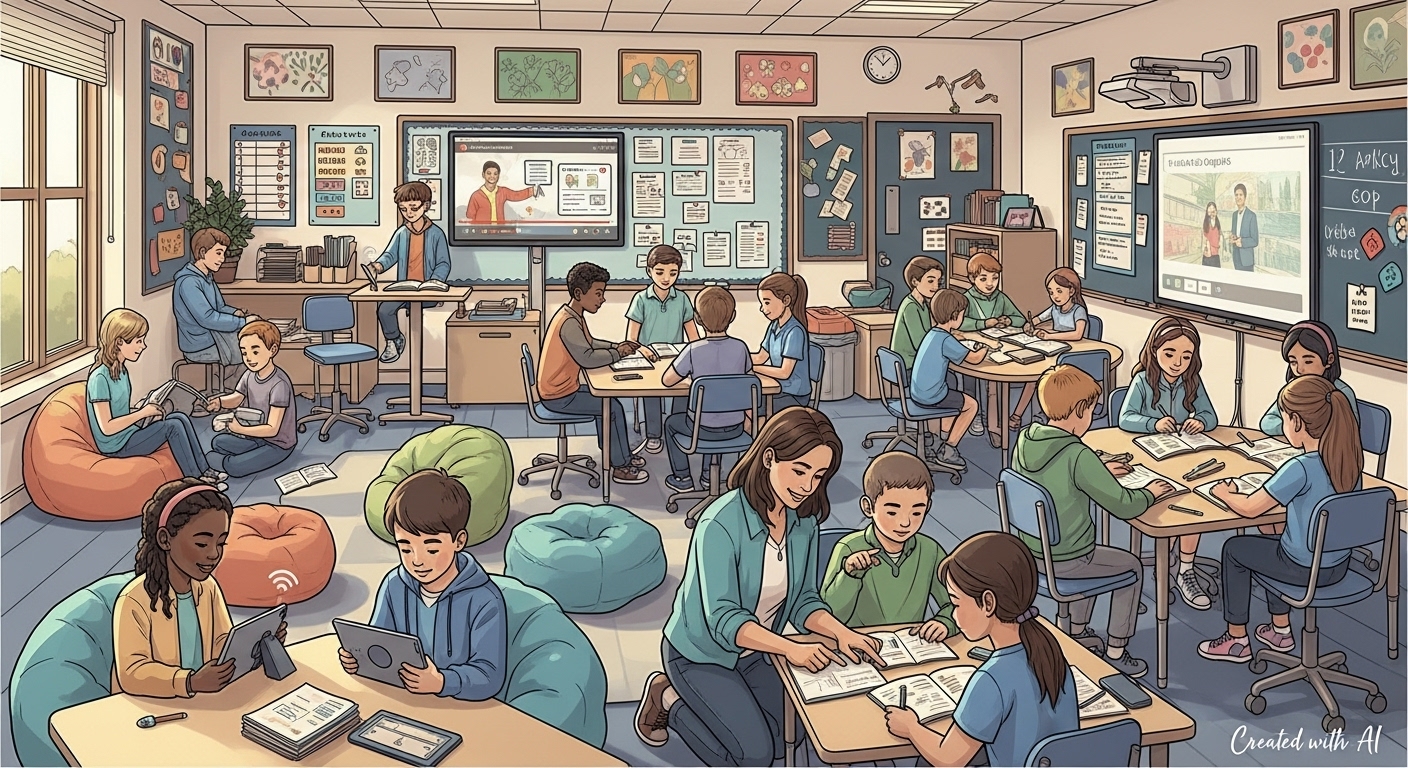
I remember from high school, one of my teachers was used to make sure that her class was a place of no judgements and she regularly used to say that everyone is welcome in her class, back than i didn’t know but after reading the “One without the Other” by Shelly Moore and Leyton Schnellert, I understood that my teacher was applying Inclusion. For me, Inclusion is the concept of bringing everyone together in a learning space with equal opportunities to learn and engage, regardless of their background. In order to experience the learning process, we should reinforce individual strength instead of just making students follow the predetermined norms of the classroom, especially in an online learning space.
In theory, it sounds like a great idea, which is even easier to implement. Still, in reality, it gets complicated because of many factors in play, such as individual preferences, backgrounds, language, etc. I remember in the summer term last year, I took 4 courses, and summer courses move very quickly because of their short duration. Most of the assignments and class plans were moving very quickly, and I struggled just to keep up with the class schedule. Still, some students processed information differently from me and struggled less. I also noticed that in many of my courses, the assignments or class structures assume certain cultural knowledge, such as their learning preferences (Maybe I am an international student, that could be one reason). These types of errors can create a huge difference in how an individual experiences learning in an online learning space.
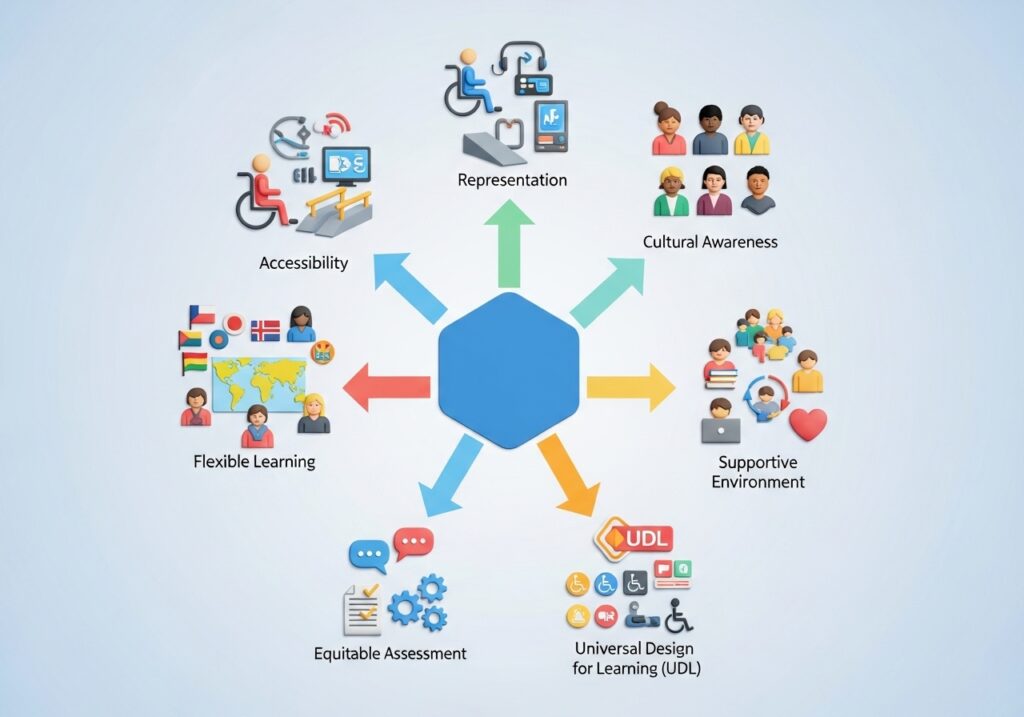
The fact that variability is not the exception but the norm when designing the learning process has been reminded multiple times in CAST UDL Guidelines. These guidelines made me think about how to implement inclusion more intentionally. In the process of designing the lessons by including multiple ways for students to engage, represent their understanding and providing the means to express their learning, is the one way to close the gap between belief and practice.
When I reflected on the reading I realized that inclusion is more of a collective responsibility than the individual one. It is all about creating systems and mindsets that expect diversity instead of just changing one classroom.
References
- CAST, Inc. (n.d.-b). The UDL guidelines. https://udlguidelines.cast.org/
- Moore, S. (2016). One without the other : stories of unity through diversity and inclusion (1st ed.). Portage & Main Press.